

Female Fertility Basics: What Every Woman Should Know
A comprehensive guide to understanding your reproductive system, hormones, menstrual cycle, and the factors that affect female fertility. Empowering education without the medical jargon.
There's a particular kind of loneliness that comes with realizing you don't fully understand your own body. Maybe you spent years trying not to get pregnant, only to discover that getting pregnant isn't as straightforward as you were led to believe. Maybe you're staring at a test result or a diagnosis, wondering why no one ever explained this to you before. Or maybe you're simply planning ahead, wanting to understand what you're working with before you need to.
Wherever you are in your journey, this guide is for you. Not the clinical, detached version of female fertility you might find in a medical textbook-but a real conversation about how your body works, what affects your ability to conceive, and what you can actually do about it.
Because here's the truth: understanding your fertility isn't about memorizing hormone names or obsessing over charts. It's about knowing yourself well enough to make informed decisions, ask the right questions, and feel less alone in a process that can sometimes feel overwhelming. This guide is part of our comprehensive Understanding Fertility resource.
Your Reproductive System: The Basics
Let's start with the foundation. Your reproductive system is a remarkably sophisticated network of organs, hormones, and processes that work together in ways scientists are still uncovering. Understanding how it all connects helps you make sense of everything else.
The Key Players
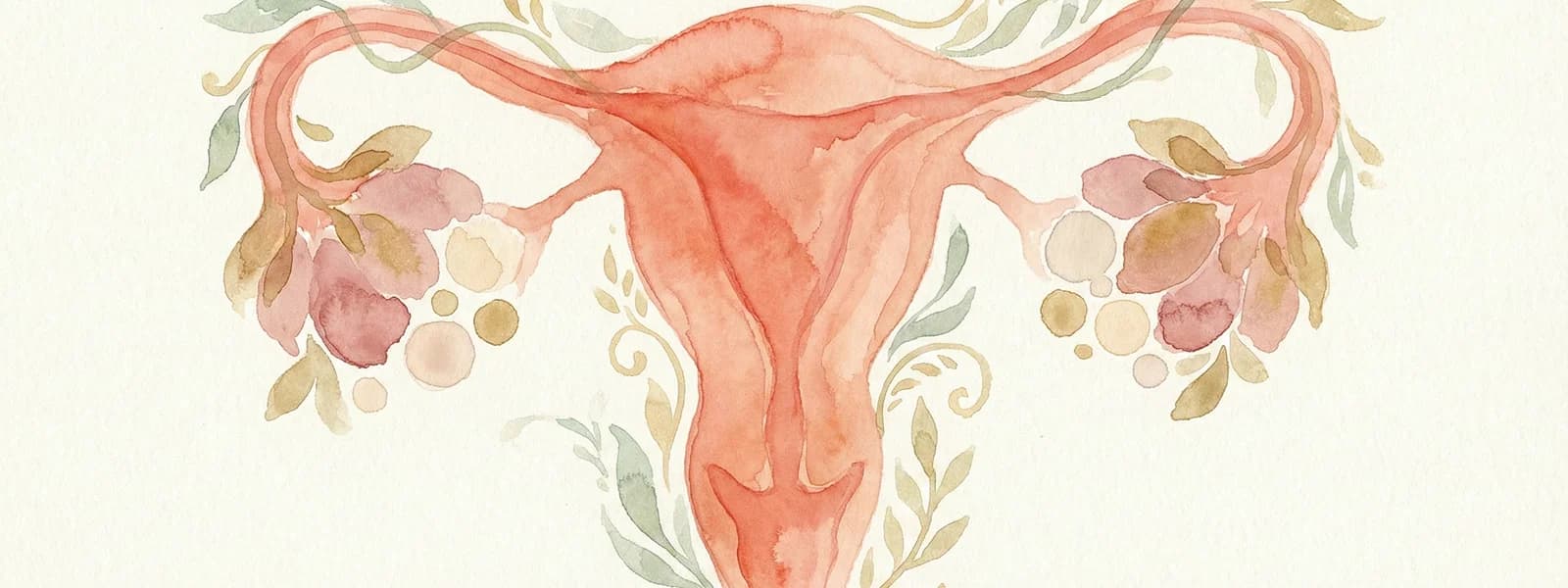
Your ovaries are two small, almond-shaped organs sitting on either side of your uterus. They have two crucial jobs: producing hormones (primarily estrogen and progesterone) and housing your eggs. Unlike men, who produce new sperm throughout their lives, you were born with all the eggs you'll ever have. Your ovaries are both a hormone factory and a finite egg bank.
Your fallopian tubes are two slender tubes that connect your ovaries to your uterus. Despite their modest appearance, they're where the magic happens-fertilization occurs here, not in the uterus as many people assume. The tubes are lined with tiny hair-like structures called cilia that help guide both the egg and, hopefully, a fertilized embryo toward the uterus.
Your uterus is the pear-shaped organ where pregnancy develops. Its inner lining, the endometrium, thickens each month in preparation for a potential pregnancy. If pregnancy doesn't occur, this lining sheds-your period. If an embryo does implant, this lining becomes the nurturing environment where your baby will grow.
Your cervix is the lower part of the uterus that opens into the vagina. It produces mucus that changes throughout your cycle-sometimes blocking sperm, sometimes helping them along. Learning to read these changes can tell you a lot about where you are in your cycle.
How They Work Together
Each month, assuming you're ovulating normally, your body runs through an intricate sequence:
Your brain's pituitary gland releases follicle-stimulating hormone (FSH), which signals your ovaries to start developing follicles-fluid-filled sacs that each contain an immature egg. Several follicles begin growing, but typically only one becomes dominant.
As the dominant follicle grows, it produces increasing amounts of estrogen. This estrogen thickens your uterine lining and eventually triggers a surge of luteinizing hormone (LH) from your pituitary gland.
The LH surge causes the dominant follicle to release its egg-ovulation. The egg enters the fallopian tube, where it can be fertilized for the next 12-24 hours.
The empty follicle transforms into the corpus luteum, which produces progesterone to maintain the uterine lining. If pregnancy doesn't occur, the corpus luteum breaks down, hormone levels drop, and your period begins.
This cycle repeats roughly every 21-35 days, though "regular" looks different for different women.
Your Ovarian Reserve: Understanding Your Egg Supply
One of the most important-and often misunderstood-aspects of female fertility is the concept of ovarian reserve. This refers to both the quantity and quality of eggs remaining in your ovaries.
The Numbers
You were born with approximately 1-2 million eggs. By puberty, that number has already dropped to around 300,000-500,000. Each month, many eggs begin the maturation process, but typically only one ovulates-the rest are reabsorbed by your body through a natural process called atresia.
By your mid-30s, you have roughly 25,000 eggs remaining. By 40, perhaps 5,000. And quality declines alongside quantity-older eggs are more likely to have chromosomal abnormalities.
These numbers can feel alarming, but context matters. You only need one healthy egg to conceive. The concern isn't running out entirely-it's the declining odds of any given egg being chromosomally normal.
How Ovarian Reserve Is Measured
If you're curious about your ovarian reserve, or if your doctor recommends testing, here's what's typically measured:
AMH (Anti-Mullerian Hormone): A blood test that can be done any day of your cycle. AMH is produced by cells in your ovarian follicles, so higher levels generally indicate more remaining eggs. However, AMH tells you about quantity, not quality.
Antral Follicle Count (AFC): An ultrasound measurement, typically done early in your cycle, counting the small follicles visible on your ovaries. More follicles generally suggest better reserve.
FSH (Follicle-Stimulating Hormone): Measured on day 2-3 of your cycle. Higher FSH can indicate that your body is working harder to stimulate your ovaries-often a sign of diminished reserve.
For detailed information on what each test involves and how to interpret results, see our complete fertility testing guide.
What These Tests Don't Tell You
Here's what's crucial to understand: these tests measure quantity, not quality. A woman with low AMH can still have healthy eggs. A woman with normal AMH can still have difficulty conceiving.
These tests also can't predict your fertility timeline with precision. They're snapshots, not crystal balls. A concerning result might prompt you to act sooner rather than later, but a reassuring result doesn't guarantee easy conception.
The tests are most useful for helping doctors plan fertility treatment protocols and for giving you information to factor into your decisions-not for definitively answering whether you can or can't have children.
Your Hormones: The Chemical Messengers
Your fertility depends on precise hormonal coordination. When these chemical messengers are in balance, your cycle proceeds smoothly. When they're not, ovulation and conception can be affected.
The Key Hormones
Follicle-Stimulating Hormone (FSH): Released by your pituitary gland, FSH stimulates your ovaries to develop follicles. If your ovaries aren't responding well, your body may produce more FSH to compensate-which is why elevated FSH can indicate diminished reserve.
Luteinizing Hormone (LH): Also from the pituitary gland, LH triggers ovulation. The "LH surge" that ovulation predictor kits detect happens 24-36 hours before you ovulate. LH also stimulates the corpus luteum to produce progesterone.
Estrogen (primarily estradiol): Produced mainly by your developing follicles, estrogen thickens your uterine lining, changes your cervical mucus to be more sperm-friendly around ovulation, and signals your brain when an egg is ready. Estrogen also affects your mood, skin, and many other systems.
Progesterone: Produced by the corpus luteum after ovulation, progesterone maintains the uterine lining and prepares it for implantation. If you're pregnant, progesterone continues supporting the pregnancy until the placenta takes over. If not, progesterone drops, triggering your period.
Other players: Thyroid hormones, prolactin, testosterone, and others also influence fertility. Imbalances in any of these can affect ovulation and conception.
When Hormones Are Out of Balance
Hormonal imbalances are among the most common causes of fertility challenges-and often the most treatable.
PCOS (Polycystic Ovary Syndrome): Characterized by elevated androgens (male hormones) and often insulin resistance, PCOS disrupts the normal follicle development process. Many follicles start developing, but none becomes dominant enough to ovulate. PCOS affects an estimated 25-30% of women in the UAE and Middle East.
Thyroid disorders: Both overactive (hyperthyroidism) and underactive (hypothyroidism) thyroid function can disrupt ovulation. Thyroid issues are common and usually easily treated once identified.
Hyperprolactinemia: Elevated prolactin-the hormone that stimulates milk production-can suppress ovulation. This can be caused by certain medications, pituitary issues, or sometimes has no identifiable cause.
Diminished ovarian reserve: As reserve declines, hormonal patterns often shift-FSH rises, AMH drops. While this isn't a hormonal imbalance in the traditional sense, it affects how your body responds to both natural cycles and fertility medications.
The good news: many hormonal issues can be identified through blood tests and treated with medication. If you suspect a hormonal imbalance-irregular periods, very heavy or light periods, significant PMS, or other symptoms-it's worth discussing with your doctor.
Your Menstrual Cycle: A Window Into Your Fertility
Your menstrual cycle isn't just about your period-it's a monthly report on your reproductive health. Learning to read your cycle can help you identify your fertile window, spot potential issues, and feel more connected to your body. For a comprehensive breakdown of each phase, see our detailed guide on understanding your menstrual cycle.
The Phases of Your Cycle
Menstruation (Days 1-5 approximately): Your period marks the beginning of a new cycle. The uterine lining that built up last cycle sheds because no pregnancy occurred. Day 1 is the first day of real bleeding, not spotting.
Follicular Phase (Days 1-13 approximately): While you're menstruating and in the days after, follicles are developing in your ovaries. Estrogen rises, thickening your uterine lining. This phase can vary significantly in length-if your cycles are irregular, it's usually this phase that's varying.
Ovulation (Around Day 14): The LH surge triggers the release of a mature egg. You're most fertile in the days leading up to and including ovulation. After release, the egg survives only 12-24 hours.
Luteal Phase (Days 15-28 approximately): After ovulation, the corpus luteum produces progesterone, maintaining the uterine lining. This phase is typically more consistent-usually 12-14 days. If it's significantly shorter, it might affect your ability to maintain a pregnancy.
Signs of Ovulation
Your body gives signals when ovulation is approaching:
Cervical mucus changes: As estrogen rises, your cervical mucus increases and becomes clearer, wetter, and stretchy-often compared to raw egg white. This "fertile quality" mucus helps sperm survive and travel. After ovulation, mucus typically becomes thicker and less abundant.
Basal body temperature: Your resting temperature rises slightly (about 0.5°F) after ovulation due to progesterone. Tracking this over months can confirm you're ovulating, though it tells you after the fact rather than predicting it.
Ovulation predictor kits (OPKs): These detect the LH surge in your urine, typically giving you 24-36 hours notice before ovulation.
Physical sensations: Some women feel a twinge or mild cramp on one side during ovulation (mittelschmerz). Others notice breast tenderness, increased libido, or subtle mood changes.
What Your Cycle Tells You
Certain patterns may warrant attention:
- Cycles consistently shorter than 21 days or longer than 35 days
- Highly irregular cycles that vary by more than 7-9 days month to month
- Very heavy bleeding (soaking through a pad or tampon hourly)
- Very light or absent periods
- Severe pain during menstruation
- Spotting between periods
These patterns don't necessarily mean something is wrong, but they're worth discussing with your doctor, especially if you're trying to conceive.
Age and Female Fertility: What the Research Shows
Age is the single most significant factor affecting female fertility. This isn't about societal pressure or judgment-it's biology. Understanding what the research actually shows helps you make informed decisions about your timeline.
The Fertility Curve
Female fertility peaks in the early-to-mid 20s and begins declining around age 30, with a more significant drop after 35 and a steeper decline after 40. For detailed statistics and guidance, see our comprehensive guide on age and fertility.
Here's what typical conception rates look like for healthy couples trying naturally:
| Age | Monthly Conception Rate | Chance of Conceiving Within 1 Year |
|---|---|---|
| Under 25 | 25-30% | Over 90% |
| 25-30 | 20-25% | 85-90% |
| 30-35 | 15-20% | 75-85% |
| 35-37 | 12-15% | 65-75% |
| 38-40 | 8-12% | 50-65% |
| Over 40 | 5% or less | 30-40% |
These are averages. Individual fertility varies enormously based on overall health, specific conditions, partner factors, and luck.
Why Age Matters
The age-related decline isn't just about having fewer eggs-it's about egg quality. As eggs age, they're more likely to have chromosomal abnormalities. This affects:
Conception: Chromosomally abnormal eggs are less likely to fertilize or develop properly.
Miscarriage: The miscarriage rate rises with maternal age, primarily due to chromosomal issues. At 25, the miscarriage risk is about 10%. By 40, it's 30-40%. By 45, it's over 50%.
Chromosomal conditions: The risk of conditions like Down syndrome increases with maternal age, though most chromosomally abnormal pregnancies miscarry naturally.
What This Means for You
If you're younger and reading this with time on your side, the takeaway isn't to panic-it's to be informed. You have options, including egg freezing if you want to preserve fertility while your eggs are younger.
If you're older, the takeaway isn't despair-it's pragmatism. Many women conceive naturally in their late 30s and 40s. But if you're having difficulty, seeking help sooner rather than later makes sense. And if you're considering fertility treatment, age significantly affects success rates, so time matters.
The most important thing is making decisions based on your actual situation, not fear or false reassurance.
Lifestyle Factors That Affect Female Fertility
While you can't control your age or genetics, certain lifestyle factors do influence fertility-and they're within your power to change.
Factors With Strong Evidence
Body weight: Both significant underweight and significant overweight can affect ovulation. Body fat influences estrogen production-too little can suppress ovulation, while too much can lead to hormonal imbalances. Studies suggest that even modest weight changes (5-10% of body weight) can improve ovulation in women who are significantly over or underweight.
Smoking: Smoking accelerates egg loss, damages egg quality, and increases miscarriage risk. It also affects the success of fertility treatments. The good news: quitting helps, and fertility improvements can be seen within months.
Alcohol: Heavy drinking is clearly harmful to fertility. The research on moderate drinking is less clear, but most experts recommend limiting alcohol when trying to conceive-and eliminating it once pregnant.
Factors With Moderate Evidence
Exercise: Regular moderate exercise supports fertility. However, excessive intense exercise can suppress ovulation, particularly if combined with low body weight or low calorie intake. Balance is key.
Diet: No single food is magic, but overall dietary patterns matter. A Mediterranean-style diet-rich in vegetables, fruits, whole grains, healthy fats, and lean protein-is associated with better fertility outcomes in some studies.
Stress: The relationship between stress and fertility is complicated and often oversimplified. Extreme chronic stress may affect ovulation, but everyday stress probably doesn't prevent pregnancy. That said, fertility struggles are stressful, and managing stress is worthwhile for your overall wellbeing.
What Probably Doesn't Matter
Despite what you might read online:
- Coffee in moderate amounts (1-2 cups daily) doesn't appear to harm fertility
- Specific "fertility superfoods" don't have evidence behind them
- Position during intercourse doesn't affect conception
- You don't need to lie down afterward (though it doesn't hurt)
Focus your energy on the factors that actually matter, and don't add unnecessary restrictions to an already demanding process.
Common Conditions Affecting Female Fertility
Several conditions can impact fertility. Understanding them helps you recognize potential issues and seek appropriate care.
Polycystic Ovary Syndrome (PCOS)
The most common hormonal disorder in women of reproductive age, PCOS affects ovulation and is characterized by elevated androgens and often insulin resistance. Symptoms include irregular periods, acne, excess hair growth, and difficulty conceiving.
Despite its challenges, PCOS is highly treatable. Most women with PCOS can conceive with medication to induce ovulation, and lifestyle changes can significantly improve symptoms.
Endometriosis
Endometriosis occurs when tissue similar to the uterine lining grows outside the uterus. It can cause painful periods, pain during intercourse, and fertility problems through various mechanisms-scarring, inflammation, and potentially affecting egg quality.
Treatment options range from pain management to surgery to IVF, depending on severity and fertility goals.
Tubal Issues
Blocked or damaged fallopian tubes prevent sperm from reaching the egg or embryos from reaching the uterus. Causes include previous infections (like chlamydia), endometriosis, or prior surgeries. IVF, which bypasses the tubes entirely, is often the recommended treatment.
Uterine Factors
Fibroids (benign growths) and polyps can sometimes interfere with implantation. Structural abnormalities of the uterus, whether congenital or from previous procedures, can also affect fertility. Many of these issues can be surgically corrected.
Premature Ovarian Insufficiency
Previously called premature menopause, this occurs when the ovaries stop functioning normally before age 40. While natural conception is difficult, it's not always impossible, and options like egg donation exist.
Taking Charge of Your Fertility
Understanding your fertility is empowering. It allows you to make informed decisions, whether that means trying to conceive now, planning for the future, or seeking help when something seems off.
Steps You Can Take Now
Track your cycle: Even basic tracking helps you understand your patterns. Apps can help, but so can a simple calendar.
Get a preconception checkup: Before actively trying, see your doctor for a general health assessment and to address any known conditions.
Start prenatal vitamins: Folic acid is crucial in early pregnancy, often before you know you're pregnant. Starting a prenatal vitamin at least a month before trying is recommended.
Assess your lifestyle: Address major factors like smoking, excessive alcohol, or significant weight issues.
Know when to seek help: If you're under 35 and haven't conceived after 12 months of trying, or over 35 and haven't conceived after 6 months, it's time to see a specialist. If you have known conditions like PCOS or irregular periods, you might seek guidance sooner.
Questions Worth Asking Your Doctor
- Based on my history and any testing, do you see any concerns about my fertility?
- Are there specific tests you'd recommend given my age/situation?
- Is there anything I should be doing differently to optimize my chances?
- At what point would you recommend seeing a fertility specialist?
You're Not Alone
Female fertility can feel like uncharted territory-but millions of women navigate it every year. Some conceive easily. Some face challenges. Most eventually find their path to building the family they want, whether through natural conception, treatment, or alternative paths.
Whatever your journey looks like, understanding how your body works is the first step. The rest is yours to decide.
This content is for educational purposes only and should not replace professional medical advice. If you have concerns about your fertility, please consult with a qualified healthcare provider.
Last updated: December 31, 2025
Stay informed
Get the latest fertility information and UAE-specific updates delivered to your inbox.
Related articles

Age and Fertility: What the Research Really Shows
Understand how age affects fertility for both women and men - the real numbers, what they mean for you, and how to make informed decisions at every stage.
12 min read

Fertility Glossary: Medical Terms Explained Simply
A comprehensive alphabetical glossary of fertility and reproductive medicine terms, explaining medical terminology in accessible language to help you understand your fertility journey.
16 min read
Your Complete Guide to Fertility Testing: What Each Test Measures and Why
A comprehensive guide to fertility testing for women and men, including ovarian reserve tests (AMH, FSH, AFC), hormone testing, anatomical tests like HSG, and semen analysis - with interpretation guidance.
11 min read