

Required Documents for Fertility Treatment in UAE
Complete checklist of documents needed for fertility treatment in UAE - for married couples, single women, and expats including attestation requirements.
Starting fertility treatment involves more than medical appointments and procedures. There is paperwork too, and in the UAE, the documentation requirements are specific and important. Having your documents in order before you begin saves time, reduces stress, and ensures you can proceed with treatment without delays.
This guide covers the documents you will need for fertility treatment in the UAE, including requirements for married couples, unmarried individuals following the 2023 law changes, and expats. Use this as your checklist to ensure you are prepared. For more context on UAE fertility regulations, see our complete UAE fertility guide.
Why Documentation Matters in the UAE
The UAE regulates fertility treatment carefully, and documentation serves several purposes.
Legal Compliance
UAE law specifies who is eligible for different fertility treatments. Documentation proves your eligibility under these regulations.
Identity Verification
Clinics must verify the identity of patients and, for married couples, confirm the relationship between partners.
Medical Safety
Certain tests and documents ensure treatment can proceed safely.
Insurance Processing
If you have fertility coverage, proper documentation enables claims processing.
Documents for Married Couples
Married couples pursuing fertility treatment in the UAE need the following documents.
Identity Documents
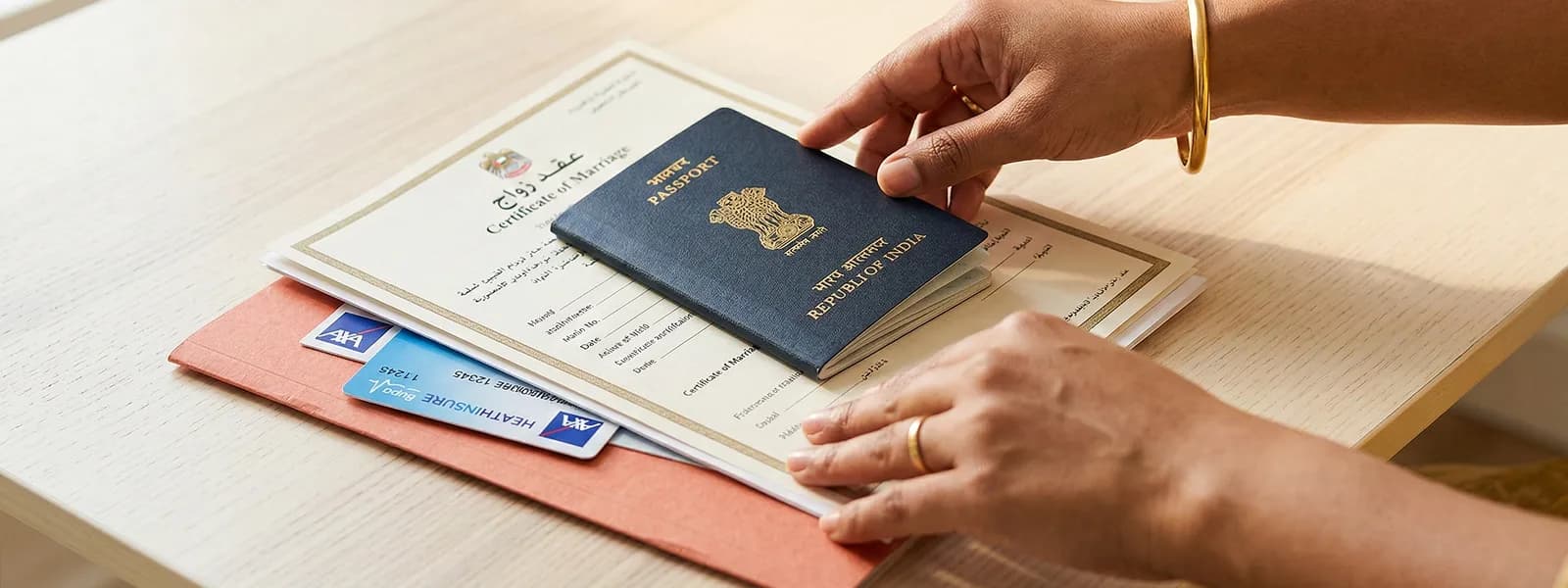
Passports
Both partners need valid passports. Clinics will take copies of the photo page.
Emirates ID
If you are a UAE resident, both partners need valid Emirates IDs.
Visa
For expat residents, valid residence visas are required.
Marriage Documentation
Marriage Certificate
You must provide proof of legal marriage.
If Married Outside the UAE
Your marriage certificate must be attested. The attestation process varies by country but typically involves attestation by your home country's foreign ministry, attestation by the UAE Embassy in your home country, and attestation by the UAE Ministry of Foreign Affairs (MOFA).
Some clinics may accept marriage certificates with Apostille stamps for countries that are part of the Hague Convention, but requirements vary.
If Married in the UAE
A UAE marriage certificate is typically accepted directly.
Translation
If your marriage certificate is not in Arabic or English, you will need an official certified translation.
Medical Documents
Previous Medical Records
Bring any relevant medical records, including previous fertility test results and treatment records, gynecological or urological history, and records of any relevant surgeries.
Infectious Disease Screening
Clinics require screening for HIV, Hepatitis B, and Hepatitis C for both partners. Some clinics do this screening themselves; others accept recent results from other laboratories.
Documents for Single Women (Egg Freezing)
Following the 2023 law changes, single women can freeze their eggs in the UAE. Documentation requirements differ from those for married couples.
Identity Documents
Passport
A valid passport is required.
Emirates ID
If you are a UAE resident, a valid Emirates ID.
Visa
For expat residents, a valid residence visa.
Medical Documents
Infectious Disease Screening
HIV, Hepatitis B, and Hepatitis C screening is required.
Medical History
Any relevant medical records supporting your treatment.
Additional Requirements
Age Requirements
Some clinics may have age criteria for egg freezing. Verify with your chosen clinic.
Consent Forms
You will sign consent forms specific to fertility preservation, including decisions about future use of frozen eggs.
Documents for Unmarried Couples
The 2023 UAE fertility law changes expanded access for some unmarried couples. Requirements are specific and documentation is particularly important.
Who Qualifies
Unmarried couples may access fertility treatment under specific circumstances as outlined in the new regulations. These typically apply to non-Muslim expat couples who can provide required documentation.
Documentation Requirements
Requirements may include proof of committed relationship (varies by clinic and circumstance), passport and Emirates ID for both partners, infectious disease screening, and signed declarations and consent forms.
Important Note
The regulations for unmarried couples are newer and interpretation may vary between clinics and emirates. Consult directly with clinics about their specific requirements and whether your situation qualifies.
Insurance Documentation
If you have fertility coverage through insurance, additional documentation supports your claims.
Thiqa (Abu Dhabi)
For Thiqa-eligible patients, bring your Thiqa card, Emirates ID, and any pre-authorisation documentation required by your clinic.
Private Insurance
For private insurance with fertility benefits, provide your insurance card and policy number, any required referral letters, and pre-authorisation if required by your plan.
Pre-Authorisation
Some insurance plans require pre-authorisation before fertility treatment begins. Your clinic can often help with this process, but confirm what documentation is needed.
Additional Documents That May Be Required
Depending on your situation, you may need additional documentation.
For Previous Fertility Treatment
If you have done fertility treatment elsewhere, bring embryo storage documentation if you have frozen embryos, treatment summaries from previous cycles, and records of any pregnancies resulting from treatment.
For Embryo or Gamete Transfer
If transferring frozen eggs, sperm, or embryos from another country, you will need documentation from the sending clinic, proof of identity and ownership, and import permits as required by UAE regulations.
For Donor Gametes
If using donor eggs or sperm (where permitted), additional documentation regarding the donor may be required.
For Medical Conditions
If you have relevant medical conditions, bring recent specialist reports, current medication lists, and clearance letters if surgery is involved.
Getting Documents Ready: A Checklist
Before Your First Appointment
Gather passports and Emirates IDs for all parties. Locate your marriage certificate if applicable. Check if attestation is needed for foreign documents. Collect previous medical records. Schedule infectious disease screening if your clinic requires it in advance.
Attestation Timeline
If your marriage certificate needs attestation, start early. The process can take several weeks depending on your home country and how you submit documents.
Copies
Make multiple copies of all documents. Keep originals safe and provide copies where accepted.
Translation
Arrange certified translation for any documents not in Arabic or English.
What to Bring to Your First Consultation
For your initial consultation, bring the following. For guidance on what to expect during the appointment itself, see our article on your first fertility consultation.
Essential Documents
Passports for both partners (or yourself if single), Emirates IDs, marriage certificate with attestation (for married couples), and any previous fertility test results or medical records.
Helpful to Have
A list of questions you want to ask, information about your menstrual cycle history, a summary of how long you have been trying to conceive, and insurance details if applicable.
If Documents Are Missing or Incomplete
If you arrive at a consultation without all required documents, the clinic may be able to proceed with the initial consultation but delay treatment until documentation is complete. Some clinics are stricter than others about documentation timing. Missing attestation can cause significant delays.
Ask your clinic in advance what is absolutely required before your first appointment versus what can be provided later.
Document Storage and Privacy
Fertility clinics are required to maintain confidentiality of your personal and medical information. Your documents will be kept securely. Ask your clinic about their privacy policies if you have concerns.
Keeping Documents Updated
If your documentation changes during treatment, keep your clinic informed.
Passport Renewal
If your passport expires, provide updated passport information promptly.
Visa Status
If your visa status changes, inform the clinic.
Insurance Changes
If your insurance coverage changes, update the clinic to avoid billing issues.
Disclaimer
Documentation requirements can change and may vary between clinics and emirates. This guide provides general information based on common requirements. Always confirm specific documentation needs directly with your chosen clinic before your appointment.
Last updated: January 12, 2026
Stay informed
Get the latest fertility information and UAE-specific updates delivered to your inbox.
Related articles

UAE Fertility Laws: 2023 Changes Explained
Understanding the significant changes to UAE fertility regulations in 2019 and 2023, who now qualifies for treatment, and what remains restricted.
11 min read

Fertility Clinics in Abu Dhabi
Compare 5 dedicated fertility clinics in Abu Dhabi. View accreditations, Thiqa eligibility, costs, specialisations, and read full profiles to find the right clinic for you.
4 min read

How to Choose a Fertility Clinic in UAE: A Practical Guide
A comprehensive guide to evaluating and choosing a fertility clinic in the UAE - what to look for, questions to ask, and red flags to avoid.
11 min read